
English| EUR
Suggested for you
More currencies
Choose a language
Boat rides on the Ganges in Varanasi operate as a private market, not a ticketed attraction. Boatmen set their own rates, and prices shift with demand, time of day, and your negotiation skill. This guide maps the current pricing landscape so you know what's fair before you step onto the ghats.
Quick answer
Boat ride in Varanasi cost typically ranges from ₹200 to ₹600 per hour depending on timing and group size. Sunrise rides (5:00–7:00 AM) command premium rates of ₹400–₹600, while midday trips cost ₹200–₹300. Evening Ganga Aarti excursions (6:00–8:00 PM) run ₹500–₹800 due to high demand. Prices are negotiable and quoted per boat, not per person, with most boats holding four to six passengers.
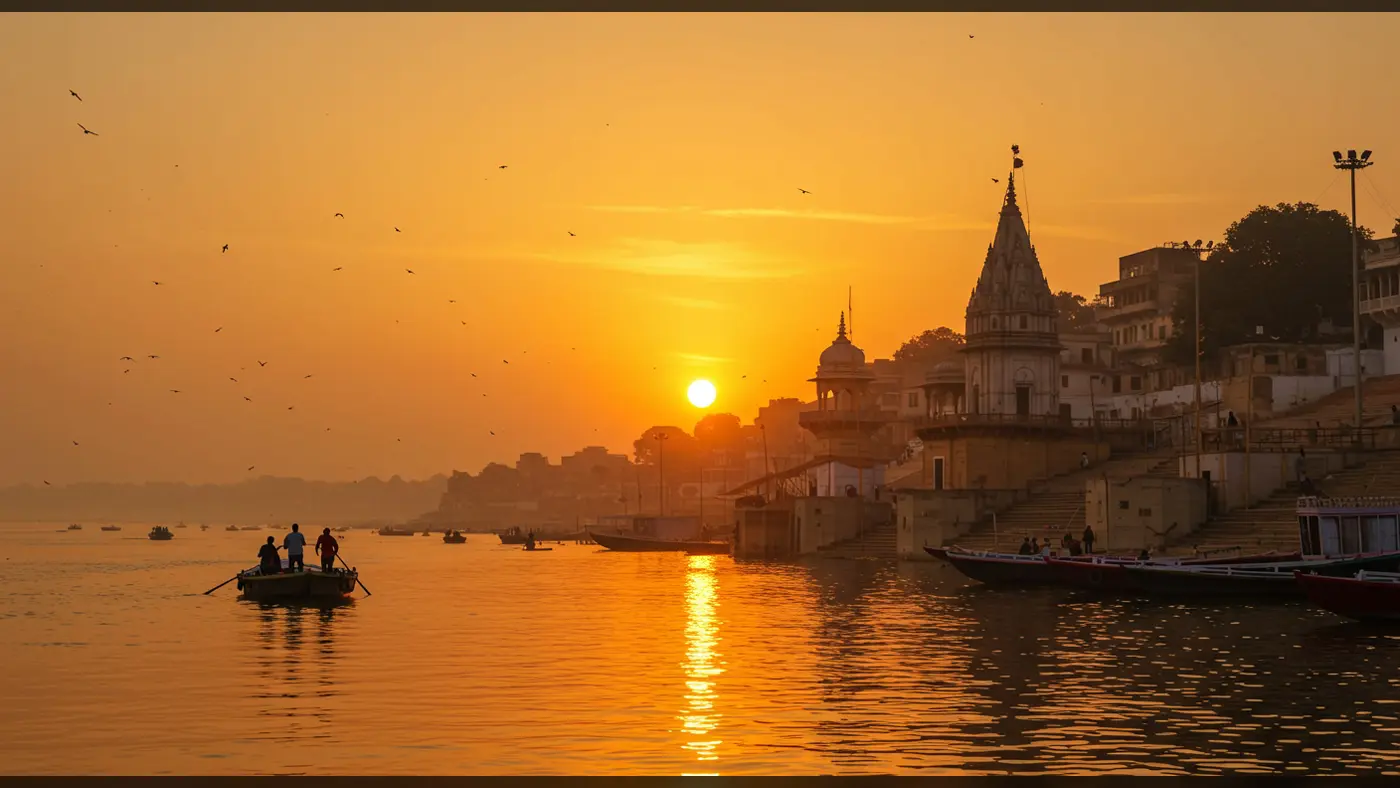
No ticket booth governs the wooden boats moored along Varanasi's ghats. Instead, dozens of independent boatmen pitch their services directly to visitors, quoting rates that flex with the hour, the season, and your willingness to walk away. A single ride can cost ₹200 or ₹800 depending on when you ask and how the conversation unfolds. Sunrise commands the highest premiums. Between 5:00 and 7:00 AM, when mist clings to the water and pilgrims perform ablutions along Dashashwamedh and Assi ghats, boatmen quote ₹400 to ₹600 for a one-hour circuit. Evening Ganga Aarti rides, timed to catch the flame ceremony from the river, push rates to ₹500–₹800 as demand surges. Midday trips, when light flattens and crowds thin, drop to ₹200–₹300. The same boat, the same route, triple the price at dawn. Quoted figures apply per boat, not per traveler. A standard wooden vessel seats four to six passengers, so solo travelers pay the same as groups unless they negotiate a shorter trip or share with strangers. Longer excursions—two hours upstream toward Ramnagar Fort or three-hour combinations covering multiple ghats—run ₹800 to ₹1,500. Private sunset charters with extended Aarti viewing reach ₹1,200. Boatmen rarely volunteer these distinctions upfront; you extract clarity by asking about duration, route, and passenger capacity before agreeing. Prices fluctuate with festival calendars and tourist density. During Dev Deepawali in November or peak winter months, expect rates 20–30% higher than the figures above. Monsoon season (July–September) sees the opposite: fewer visitors mean softer pricing and greater leverage. Fixed-price platforms and hotel concierges typically add 30–50% margins to street rates in exchange for convenience. The ghats remain a cash market. Carry small denominations; boatmen rarely make change for ₹500 or ₹2,000 notes, and card readers don't exist on the water. Understanding the boat ride in Varanasi cost structure means recognizing it as a service economy, not a controlled ticketing system. The figure you pay reflects timing, persistence, and whether you've researched the prevailing range before stepping onto Dashashwamedh Ghat at sunrise.
“The same boat, the same route, triple the price at dawn.”
There is no single fixed price for boat rides in Varanasi, as these are private services. Costs are determined by negotiation based on market rates, duration, and the specific route taken.
Verdict: While ghat access is free, boat ride prices vary significantly based on negotiation, boat type, and ride duration.
The ghats of the Ganges River are accessible daily to visitors. While these hours represent general access, boat availability may fluctuate based on operator schedules.
The best arrival window is 05:00–19:30 to align with sunrise and the evening Ganga Aarti. Planning your boat ride during these times provides the most iconic experiences while managing exposure to peak heat.
Mild and pleasant, 15°C–25°C
This period offers the most comfortable temperatures for extended time on the water.
Hot and dry, 30°C–45°C
Early morning rides are necessary to avoid intense heat before midday.
Humid with occasional rain, 25°C–35°C
River levels fluctuate, so check local conditions for access to specific ghats.
—
Mid-week early hours provide a quieter atmosphere for observing the morning rituals along the Ganges.
Verdict: The best time to visit is October or November, arriving between 05:00 and 06:30 for sunrise or by 18:00 for the evening Ganga Aarti.
The ghats are located along the Ganges River in Varanasi, Uttar Pradesh, India. Most visitors reach the riverfront by navigating to major entry points like Dashashwamedh Ghat or Assi Ghat via local transport.
Travel to Dashashwamedh Ghat road via NH31
Reach Godowlia Crossing, then walk to the ghat
Walk from Godowlia Crossing to Dashashwamedh Ghat
Arrive at Varanasi Junction (BSB) then take a taxi
For the most iconic experiences, aim to arrive within the best arrival window of 05:00–19:30. Parking is extremely limited near the riverfront, so taking an auto rickshaw to Godowlia Crossing and walking the final stretch is often the most efficient approach.
Navigating the ghats requires clear communication and preparation to ensure a smooth river experience.
Confirm whether the boatman will row to Manikarnika Ghat or just stay near Dashashwamedh before leaving the shore. This prevents disputes about the duration and scope of the ride once you are on the water.
Inspect the boat for structural integrity and ensure life vests are available on board before stepping in. A quick glance at the oars and seating stability helps confirm the vessel is fit for service.
Establish if you are returning to the original ghat or require a drop-off at a different location. Varanasi ghats are interconnected, and a pre-arranged landing point saves confusion in the evening crowds.
Take a photo of the boat and the boatman if you are disembarking to explore a specific area before returning. This makes locating your specific transport easier among the hundreds of similar wooden boats.
Use a waterproof bag for electronics and cameras to protect gear from river spray. Keep all items secure on your person, as space in small wooden boats can be limited.
Everything you need to know about boat ride in varanasi cost
The boat ride in Varanasi cost is not fixed and depends on negotiation, boat type, and duration. As this is a private service rather than a government-regulated tour, you should expect to discuss rates directly with local boatmen at the ghats.
There are no official government-mandated price lists for a Varanasi river excursion. Travelers often find that prices fluctuate based on season, demand, and the specific route taken along the holy river.
The best arrival window is between 05:00 and 19:30 to experience the sunrise or the evening Ganga Aarti. Planning your boat ride in Varanasi cost around these times allows for the most iconic views of the historic waterfront.
Yes, you can arrange private transport to watch the evening ceremony from the water. It is advisable to settle the total boat ride in Varanasi cost before departure to avoid confusion once the ceremony concludes.
Taking a boat on the Ganges with children is generally safe provided you choose a reputable operator and ensure all passengers remain seated. Always clarify the boat ride in Varanasi cost upfront to ensure it covers your desired route and duration.
The primary mistake visitors make is failing to confirm the final price before boarding. Since there is no standard boat ride in Varanasi cost, polite negotiation is standard practice at the various ghats.
You will encounter both traditional hand-rowed wooden boats and larger motorized vessels along the Ganges River. The choice between these options will influence the overall boat ride in Varanasi cost and the pace of your journey.
Boat Ride Timings and Hours
Read more GuideHow to Book a Boat Ride
Read more GuideBest Time for a Boat Ride
Read more GuideBoat Ride Starting Points
Read more Tickets & toursGanga Aarti Boat Ride
Read more Tickets & toursSunrise Boat Ride
Read more Tickets & toursPrivate Boat Hire
Read more